Emergency Fire Protection Denver Basics for Facilities Managers During a System Event or Building Emergency
If you manage a commercial building in Denver, there is a certain kind of phone call you never forget. It might come before sunrise, from a tenant who heard an alarm and saw strobes. It might come from security saying a fire pump trouble signal appeared on the panel. Or it might come from your monitoring provider after a supervisory event that no one on site can explain. In those moments, the job gets very simple very fast: protect people, stabilize the building, document what happened, and get the right parties involved without making a bad situation worse.
That sounds straightforward on paper. In practice, system events are messy. Panels report multiple conditions. Water-based systems can show one problem while quietly hiding another. A trouble signal can be minor, but it can also be the first sign of a much larger impairment. Facilities managers who handle these events well usually are not guessing. They understand the basics of how Denver oversight works, what the code environment expects, and where the line is between immediate emergency action and formal repair, permitting, or acceptance activity.
For anyone responsible for commercial fire protection Colorado properties rely on, the key is not memorizing every code section. It is knowing the chain of responsibility and the sequence of decisions that matter when systems are disabled, impaired, or behaving unexpectedly.
What counts as a system event in a real building
In day-to-day operations, a system event is broader than a fire alarm sounding. It can mean an alarm, a trouble, a supervisory signal, a disabled sprinkler control valve, a pump issue, a failed device, an unexpected discharge, or even a situation where a contractor reports damage during unrelated work. In a busy facility, some events are obvious and loud. Others are administrative but still serious, such as discovering that records for required testing are incomplete right before an inspection.
The reason these events matter is simple. Fire protection is a connected set of systems, not a collection of standalone boxes. Your fire alarm monitoring Denver provider may receive the signal first, but the event itself might begin in a valve room, an electrical room, a mechanical penthouse, or a tenant suite. A building can look calm while a life safety feature is partially out of service.
That is especially important in Denver because the local authority structure is active and visible. The Fire Code Official, the Fire Marshal, and the Denver Fire Department Fire Prevention Division all play roles in enforcing fire code requirements and inspecting hazards, disabled life safety systems, and false alarms. For a facilities manager, that means system events are not just maintenance issues. They can become code enforcement issues if they are mishandled, ignored, or left unresolved.
The first priority is not paperwork, it is people
When a building emergency begins, the life safety question comes first. Is there an active fire, smoke condition, or credible threat to occupants? Is egress available? Are emergency lighting and exit routes usable? Is there a part of the building that must be isolated or evacuated?
That sounds obvious, but under pressure people often jump too quickly to the panel, the app, or the service call. A panel condition matters, but occupant safety matters more. Denver’s inspection materials make clear that exits, emergency lighting, fire-resistive separations, and system records all matter during fire safety inspections Denver properties undergo. Those same elements matter even more during a live event.
A practical example: if a fire alarm goes into general alarm during a tenant improvement project, the first useful question is not, “Which device caused it?” The first useful question is, “Has the building been checked for an actual emergency, and are occupants moving safely?” Once that is underway, you can work backward through the signal history and site conditions.
Why Denver facilities managers need to think in layers
One of the biggest mistakes I see is treating every fire protection issue as either a pure emergency or a pure service call. Most are both, just in different phases.
During the first phase, you are dealing with conditions on the ground. During the second, you are dealing with compliance, records, repairs, and approvals. Denver’s process matters here. The city notes that permits are required for most construction, alteration, or repair work on private property. For fire protection specifically, there is also fire protection engineering review within the plan review process, and acceptance or approval is required before final sign-off of fire alarm and fire protection permits.
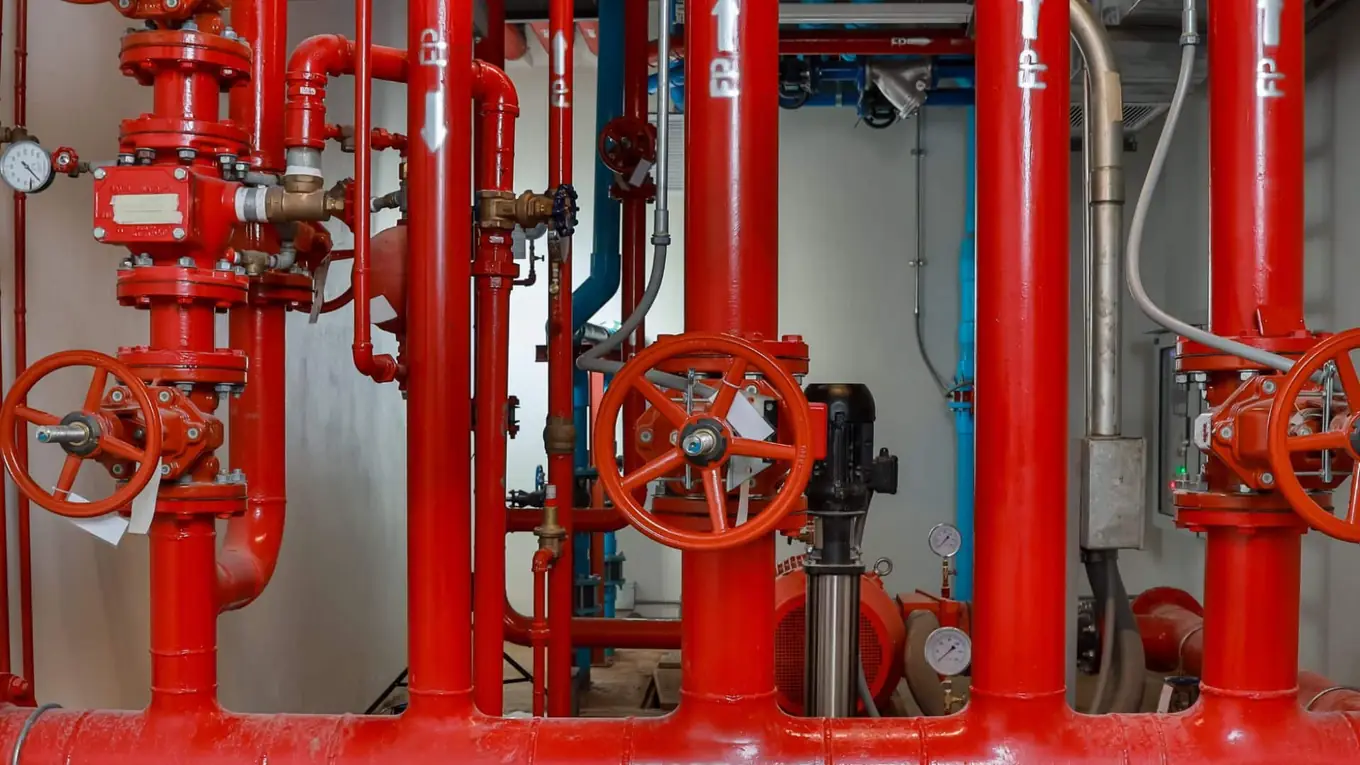
That affects how you respond after the initial event is under control. A failed detector replacement may feel routine, but if the scope becomes a system modification, the path changes. The same is true for sprinkler work. Colorado law says fire suppression system installation, modification, alteration, or repair generally cannot start until required permits are obtained, the job is registered, and working plans and hydraulic calculations are reviewed and approved. For facilities teams, that means there is a sharp difference between emergency stabilization and unpermitted system work.
This is where experienced building managers earn their keep. They know when to ask, “Is this restoring a system to service safely?” and when to ask, “Has this crossed into work that needs permit review and formal acceptance?”
Fire alarm events: what the panel is telling you, and what it is not
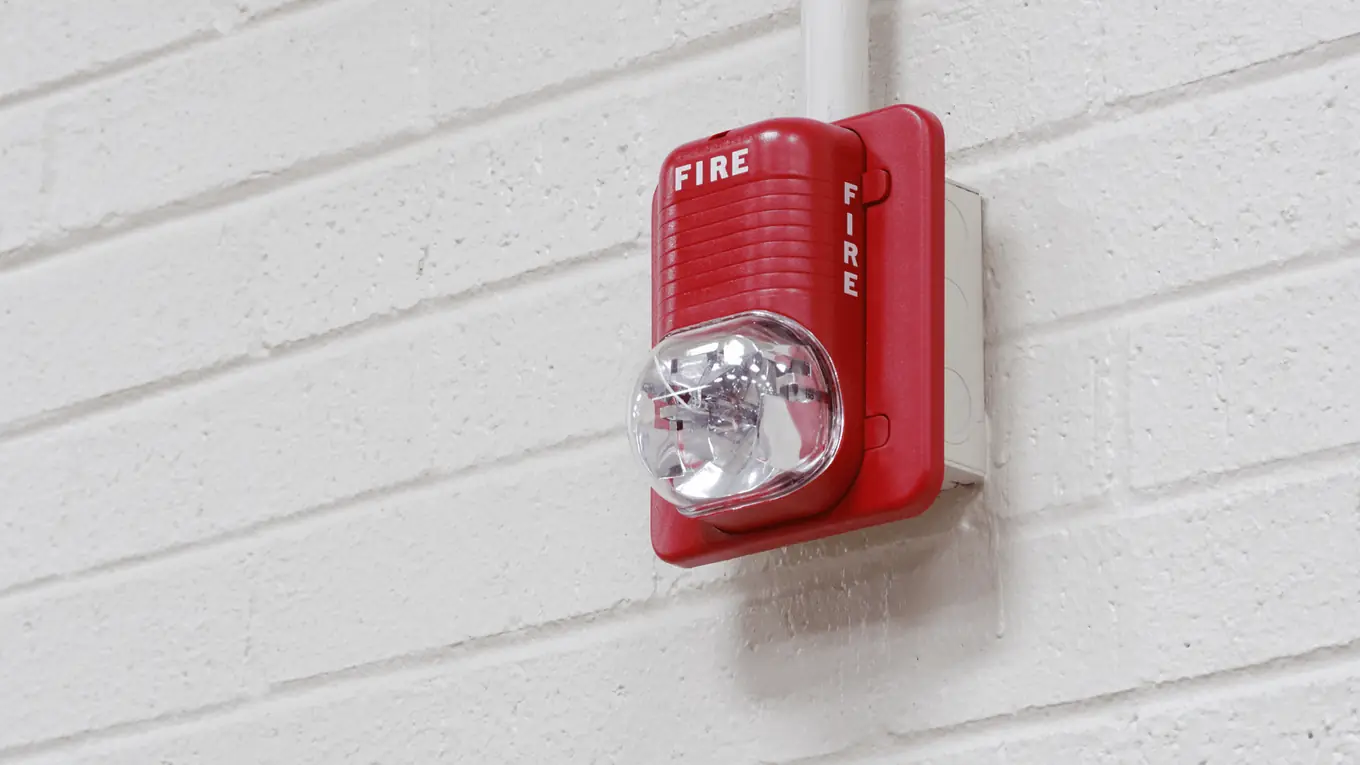
NFPA 72 is the national fire alarm and signaling code for design, installation, inspection, testing, maintenance, and emergency communications systems. Even without getting deep into code language, that tells you something important: alarm systems are not just noisemakers. They handle initiation, notification, supervision, and ongoing care.
From a facilities perspective, the distinction between those functions matters during an event. An alarm condition is not the same as a trouble condition. A supervisory condition is not the same as either one. If you treat them all the same, you can waste precious time or underreact.
A fire alarm monitoring Denver account will often give you the event category quickly, but the monitoring report is only part of the picture. Someone still needs to verify site conditions. I have seen buildings where a supervisory signal turned out to be the first sign that a control valve had been left in the wrong position after unrelated maintenance. I have also seen repeated troubles that looked minor until they lined up with water damage in an electrical space.
The smart approach is disciplined but calm. Confirm the signal type, confirm whether there is an actual hazard, identify affected areas, and preserve a clean record of who observed what and when. That record can become important if the event leads to further review, inspection, or acceptance testing later.
Water-based systems are forgiving until they are not
Sprinkler systems often create a false sense of security because they are passive most of the time. When nothing happens, they are easy to forget. NFPA 25 exists for a reason. It is the standard for inspection, testing, and maintenance of water-based fire protection systems, and its importance becomes obvious during impairments and emergency conditions.
A valve closure, a failed component, a low-pressure issue, or an overlooked deficiency can take a system from reliable to questionable very quickly. Facilities managers responsible for fire sprinkler installation Denver projects also need to remember that installation quality and long-term maintenance quality are different questions. A system can be installed correctly and still become unreliable if routine inspection and testing fall behind.
The same goes for fire pump inspection Denver requirements and backflow inspection Denver scheduling. Those items are easy to see as separate boxes on a maintenance calendar. In reality, they are part of a shared reliability chain. If a building depends on a pump and that pump shows an issue during a system event, you do not have the luxury of treating that as a paperwork problem. It becomes an operational problem immediately.
For Denver-area properties, that is one reason annual inspections matter. The city states that commercial and institutional properties are inspected annually, typically about every 12 months. Inspectors may review fire lanes, exits, separations, emergency lighting, and test records for fire safety systems. If records are thin or systems are impaired, violations can lead to an order notice for correction. During a building emergency, poor records do more than create administrative pain. They make it harder to prove that a system was being responsibly maintained before the event occurred.
Suppression systems require a different kind of judgment
Not every building relies only on sprinklers and alarms. Some occupancies have specialized fire suppression systems Denver facilities depend on for kitchens, equipment areas, or other hazard-specific protection. The exact design and hazard type can vary, so it is dangerous to generalize too much. Still, the management lesson is consistent: a suppression event or impairment is never just a reset issue.
If a suppression system has discharged, partially actuated, or shown a fault, the right response begins with hazard control and life safety, then moves into professional assessment. If modifications, alterations, or repairs are needed, Colorado’s permit and plan review rules are part of the conversation. That is not bureaucracy for its own sake. It is how systems get returned to service with documented review rather than guesswork.
Facilities managers sometimes feel pressure from operations teams to “get the system back online today.” Sometimes that is realistic. Sometimes it is not. The better question is whether the path back to service is the correct one, especially where permits, review, acceptance, or formal approval are required.
The short checklist that keeps people out of trouble
When a system event happens, I like a response sequence that is simple enough to use under stress:
- Confirm occupant safety and check for an actual emergency condition.
- Identify which system is affected and whether the signal is alarm, trouble, or supervisory.
- Notify the appropriate internal contacts and your fire alarm monitoring or service partners as needed.
- Document observations, timestamps, affected areas, and any temporary protective measures.
- Do not authorize repair or modification work that requires permits or approvals without following the proper process.
That list is not a substitute for a building-specific emergency plan, but it keeps the first hour from drifting into confusion.
Permits, acceptance, and the point where urgency meets compliance
A lot of friction in emergency fire protection Denver work comes from timing. The event feels urgent, but the repair path may still require formal review. Denver’s current code environment adds another layer because the city adopted new 2025 Building and Fire Codes effective December 31, 2025, while some projects may use either the 2025 or 2022 code set depending on submittal date. For a facilities manager juggling active work, that means the governing code path may not be identical across every project in your portfolio.
That matters most when a system event turns into a project. Perhaps the initial issue reveals a larger deficiency. Perhaps a damaged section of work needs redesign. Perhaps tenant improvements affect device layout, notification, or sprinkler coverage. Once you cross into alteration or repair that falls under permitting, you need to verify the applicable path instead of assuming last year’s process still applies.
Denver also notes that system acceptance testing and permits may involve coordination with the Fire Department, and special inspections can occur outside normal business hours when needed. That is useful operationally. If your building has limited shutdown windows, unusual occupancy demands, or sensitive tenant operations, it is worth planning around inspection and acceptance logistics early rather than discovering the constraint at the worst possible moment.
Annual inspections are routine until they expose an emergency weakness
Most managers think of fire safety inspections Denver authorities conduct as a scheduled annual event. That is true, but annual inspections often reveal the same vulnerabilities that become painful during emergencies.
A blocked exit during an inspection is a nuisance. A blocked exit during an alarm is a crisis.
Missing test records during an inspection create follow-up work. Missing test records after a system failure create doubt about whether the building was being responsibly managed at all.
A fire lane issue in a routine inspection report may seem minor. During an active response, it can interfere with access and compound every other problem on site.
That is why strong facilities teams do not separate inspection readiness from emergency readiness. They are essentially the same discipline viewed from two different angles. The building that performs well during inspection usually handles system events more cleanly because its records, access, housekeeping, and vendor coordination are already in shape.
What good documentation looks like when things get chaotic
You do not need a heroic narrative. You need clean facts.
Write down when the event started, how you learned about it, what signal appeared, which area was involved, whether occupants were affected, what immediate actions were taken, and who was notified. If a system was found disabled, note how and when it was identified. If a contractor or tenant reported the issue, record that too. Keep your language neutral and specific.
This becomes especially valuable if the event leads to follow-up by the Fire Prevention Division, questions about false alarms, or later permit and acceptance activity. Good documentation supports repairs, inspections, and fire system certification Colorado projects may require after significant work.
One property manager I worked with kept a simple event log in plain language rather than trying to sound technical. It worked beautifully. During one alarm-related dispute, that log made it easy to show the timeline from first signal to site verification to service response. Nothing dramatic, just accurate. That is often the difference between clarity and confusion.
Building relationships before the emergency matters more than after
Emergency response gets smoother when key relationships already exist. That includes your internal engineering staff, security team, service providers, and whoever handles your fire alarm monitoring Denver account. It also includes knowing who in your organization can authorize after-hours work, who can access locked rooms, and who keeps permit and test records.
The same principle applies to commercial fire protection Colorado service partners. If you only call them when there is smoke in the air or a panel in alarm, you are already late. Good providers help you understand your system inventory, your open deficiencies, your testing history, and the likely difference between a same-day service issue and a permitted repair or alteration.
That relationship does not remove the need for city approval, plan review, or acceptance where required. It simply reduces wasted motion.
Where managers get tripped up most often
The most common errors are rarely technical. They are judgment errors. People minimize a supervisory signal because the building seems normal. They authorize system work before confirming whether a permit is needed. They assume a reset means the problem is gone. They treat annual inspections as a separate compliance chore instead of a measure of operational readiness.
A few trouble spots come up again and again:
- Confusing a restored panel with a fully restored system.
- Failing to keep test, inspection, and service records organized and accessible.
- Letting temporary impairments linger without a clear documented path to resolution.
- Overlooking the need for plan review, permit approval, or acceptance testing after repair or alteration.
- Waiting until an event occurs to figure out who has authority to make decisions.
Those are management problems, not equipment problems, and they are fixable.
The calmest buildings are usually the best prepared ones
No facilities manager gets to choose when a building emergency happens. You do get to choose whether the response starts from chaos or from a stable operating baseline. That baseline comes from knowing how fire protection Denver requirements intersect with local enforcement, annual inspections, permit rules, and accepted national standards like NFPA 72 and NFPA 25.
It also comes from respecting the difference between emergency action and compliant restoration. Some events need immediate protective measures and careful follow-through. Others become formal repair or alteration projects that require review, approval, and acceptance before they are truly closed out. Knowing which is which is part of the job.
The buildings that handle emergencies best are rarely the fanciest. They are the ones with current records, clear communication paths, realistic service relationships, and managers who know when to move fast and when to slow down and verify. If you can bring that mindset to fire extinguisher https://coloradosprinklersystems775.summitviewdaily.com/posts/what-to-look-for-in-a-fire-protection-service-report-after-an-inspection-or-test-2 inspections Denver schedules, fire pump inspection Denver follow-up, backflow inspection Denver coordination, and broader NFPA compliance inspections Colorado facilities face, you will be in a far better position when the next system event hits.
And it will hit. Not because your building is poorly run, but because real buildings are full of moving parts, tenants, contractors, weather, aging components, and timing nobody controls. The goal is not to avoid every event forever. The goal is to respond in a way that protects people, supports the Fire Department’s expectations, and gets the system back to reliable service the right way.